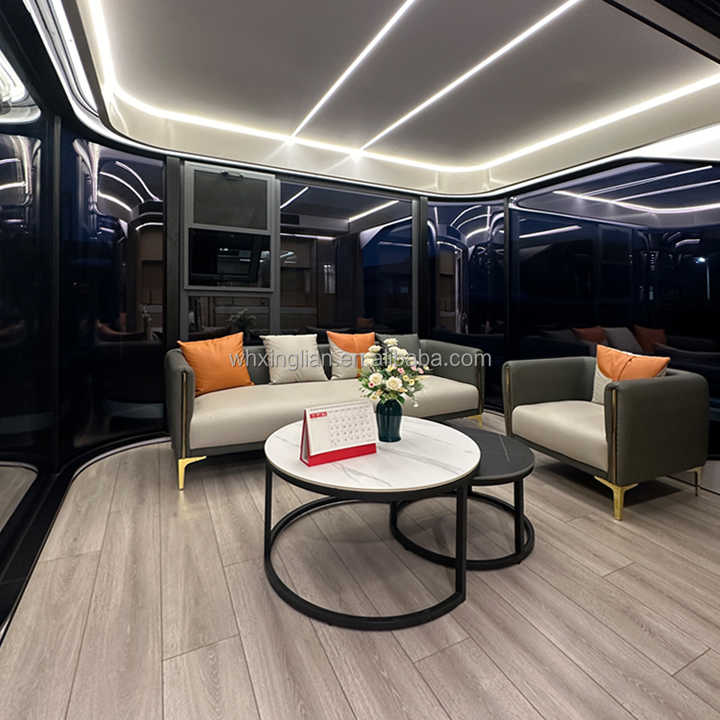
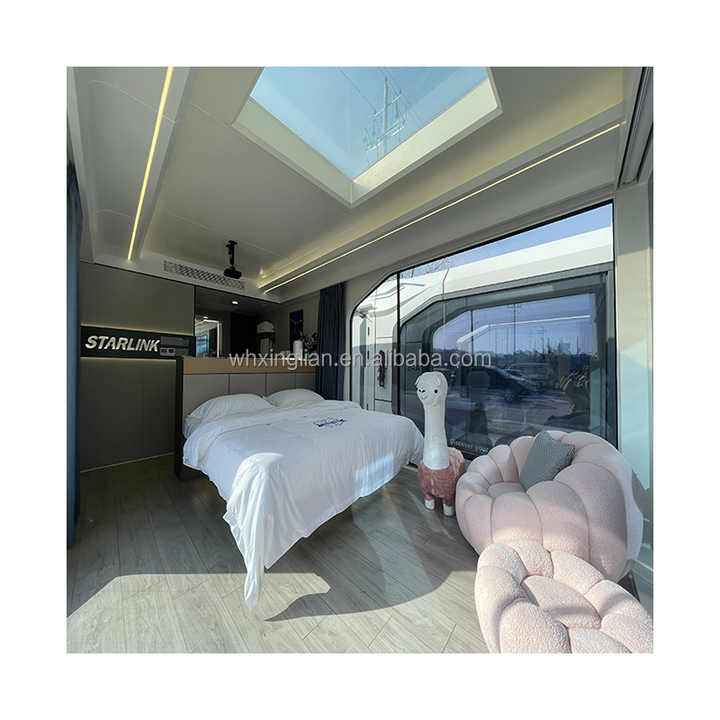
Features
Extreme Climate Adaptability
Engineered for high-temperature environments (e.g., deserts, tropical regions) with heat-reflective exteriors and multi-layer insulation.
Optional cooling systems (e.g., solar-powered AC, evaporative cooling) for sustained comfort in hot climates.
Fire-resistant materials (e.g., ceramic coatings, non-combustible cladding).
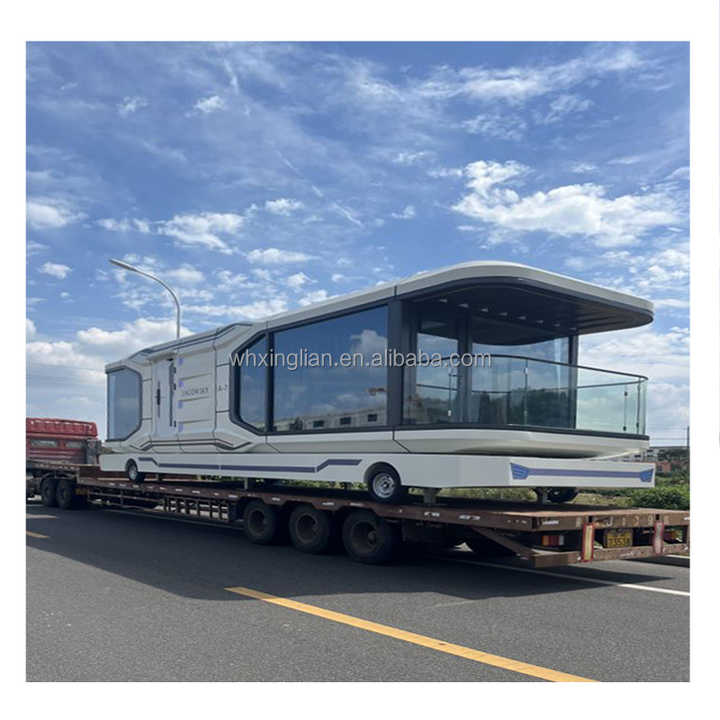
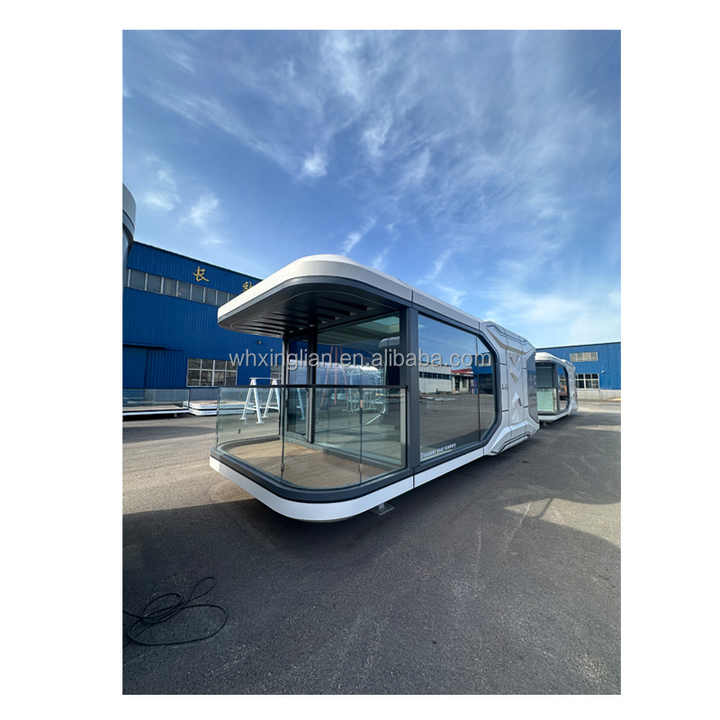
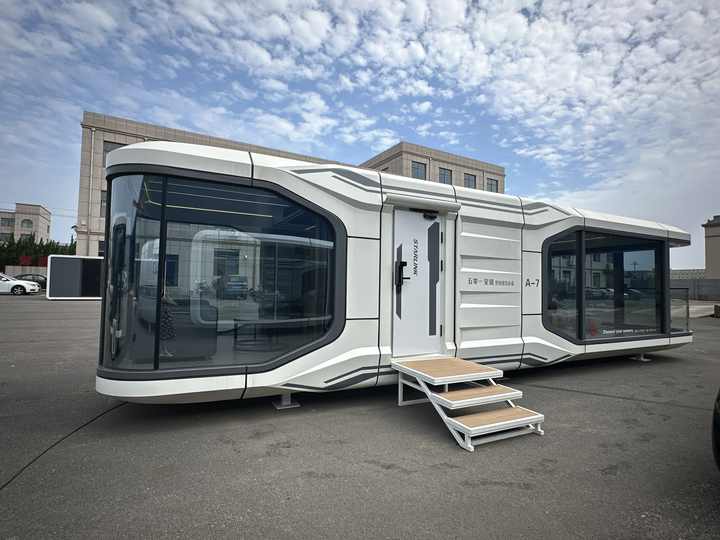
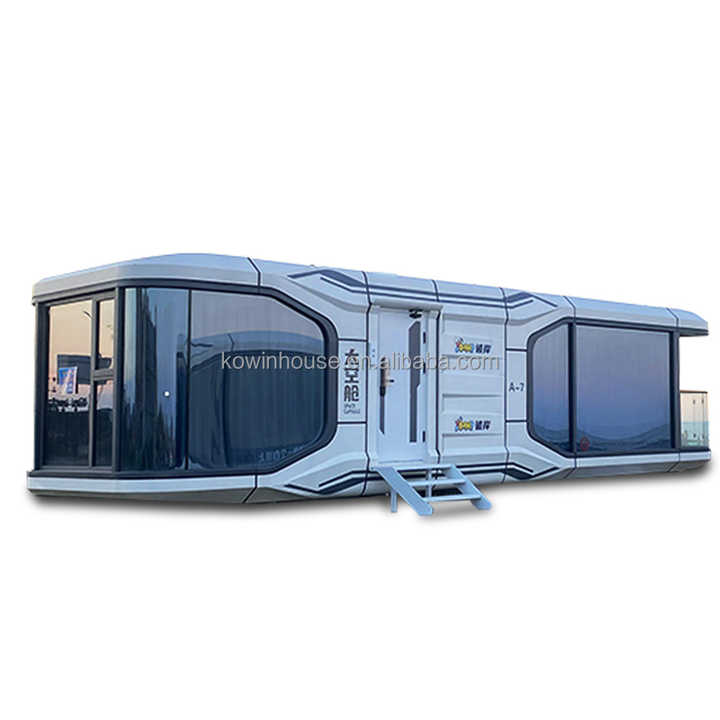
Space-Inspired Modular Design
Futuristic, aerodynamic aesthetics (curved walls, LED-lit exteriors).
Interlocking modules for creating larger habitats or multi-unit complexes.
Retractable roofs/walls for open-air configurations or stargazing.
Smart Environmental Control
IoT sensors to monitor internal temperature, humidity, and air quality.
Automated shading systems (smart glass or external louvers) to regulate sunlight.
Energy-efficient HVAC systems with AI-driven optimization.
Rugged Durability
Corrosion-resistant alloys (e.g., marine-grade aluminum) for coastal or arid environments.
Reinforced foundations for stability in sandy or uneven terrain.
Dust-proof and waterproof seals (IP65+ rating).
Sustainable Energy Integration
Built-in solar panels or wind turbines for off-grid energy independence.
Lithium-ion battery storage for 24/7 power supply.
Greywater recycling and composting toilet options.
Key Advantages
Rapid Deployment
Prefabricated modules shipped 90% complete, reducing on-site assembly to days.
Minimal site preparation required (ideal for remote or harsh locations).
Versatility
Suitable for Extreme Tourism (desert resorts, volcanic camps), research stations, or disaster relief.
Configurable as living quarters, labs, or luxury glamping units.
Cost Efficiency
Lower operational costs due to energy-efficient systems and reduced maintenance.
Reusable and relocatable design for multiple projects.
Safety & Comfort
Fail-safe cooling/heating systems to prevent overheating or equipment failure.
Soundproof interiors for noise isolation in windy or noisy environments.
Future-Ready Tech
Compatibility with VR/AR setups, satellite internet (Starlink integration), and automation upgrades.
User Experience
Adventure-Ready: Combines luxury with ruggedness—imagine a "Mars habitat" experience in terrestrial deserts.
Climate ResilienceMaintains stable indoor temperatures even in external conditions of 50°C+.
Ease of Control: Centralized touchscreen or voice commands for lighting, climate, and security.
Case Example:
*A desert eco-resort in Dubai reported a 95% guest satisfaction rate using the A7 capsules, highlighting their seamless cooling systems and futuristic design as key attractions.*
Potential Applications
Extreme Tourism: Luxury desert camps, geothermal spa retreats, volcano observation pods.
Research: Climate study stations, biodiversity monitoring units in arid zones.
Emergency Use: Heatwave relief shelters, wildfire response bases.
Commercial: Pop-up cafes, VIP event spaces, or film/TV sets for sci-fi productions.
Key Considerations
Site Suitability
Ensure terrain is stable and accessible for transport/assembly (e.g., sand, rock).
Verify local permits for temporary or permanent structures in extreme environments.
Energy Needs
Calculate solar/wind energy requirements based on location and usage intensity.
Plan for backup generators in low-sunlight regions.
Customization Costs
High-tech add-ons (e.g., hydroponic gardens, advanced cooling) will increase budgets.
Supplier Expertise
Prioritize suppliers with experience in Extreme-environment modular builds